



Calcium Channel
Ca2+ channels; Ca channels
Calcium channel is an ion channel which displays selective permeability to calcium ions. It is sometimes synonymous as voltage-dependent calcium channel, although there are also ligand-gated calcium channels. Voltage-gated calcium (CaV) channels catalyse rapid, highly selective influx of Ca2+ into cells despite a 70-fold higher extracellular concentration of Na+. Some calcium channel blockers have the added benefit of slowing your heart rate, which can further reduce blood pressure, relieve chest pain (angina) and control an irregular heartbeat.
Calcium Channel Isoform Specific Products
All Product Categories
-
Calcium Channel Inhibitors
(579)
View all products
-
Calcium Channel Agonists
(34)
View all products
-
Calcium Channel Antagonists
(213)
View all products
-
Calcium Channel Activators
(82)
View all products
-
Calcium Channel Modulators
(44)
View all products
-
Calcium Channel Chemical
(1)
View all products
-
Calcium Channel Inducers
(11)
View all products
-
Calcium Channel Controls
(10)
View all products
-
Calcium Channel Ligands
(7)
View all products
-
Calcium Channel Related Products (1217)
Related Products (1217)

-
Antibodies (29)
-
Related Compound Screening Libraries (1)
-
Calcium Channel Isoform Comparison
-
Fasudil
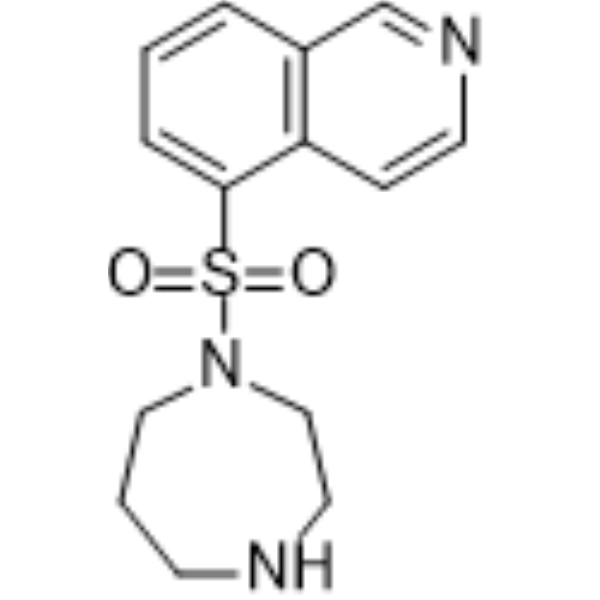 0 ImagesSynonyms: HA-1077; AT877Fasudil (HA-1077; AT877) is a nonspecific RhoA/ROCK inhibitor and also has inhibitory effect on protein kinases, with an Ki of 0.33 μM for ROCK1, IC50s of 0.158 μM and 4.58 μM, 12.30 μM, 1.650 μM for ROCK2 and PKA, PKC, PKG, respectively. Fasudil is also a potent Ca2+ channel antagonist and vasodilator.
-
Farnesyl pyrophosphate ammonium
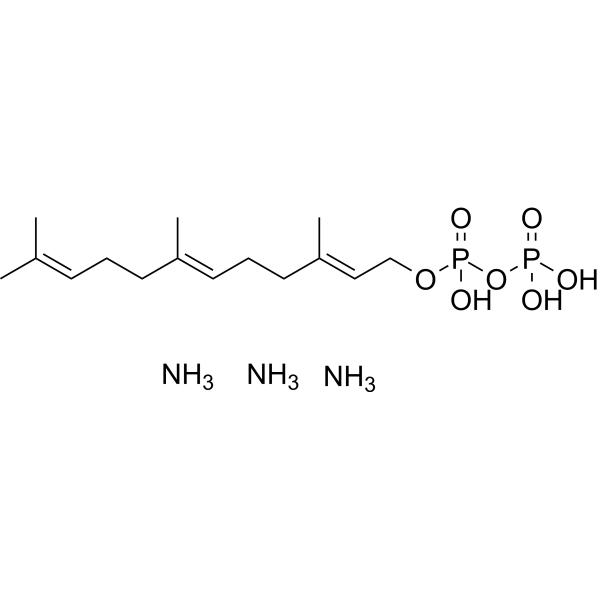 0 ImagesCat. No.: HY-113037CCAS No.: 116057-57-9Synonyms: Farnesyl diphosphate ammoniumFarnesyl pyrophosphate (Farnesyl diphosphate) ammonium is a metabolic intermediate in the mevalonate (MVA) pathway. It is a TRP channel (TRPM2) agonist that triggers Ca2+ influx and cell death. Farnesyl pyrophosphate ammonium is a key branch substrate for cholesterol synthesis, ubiquinone synthesis, protein farnesylation, and geranylgeranyl pyrophosphate (GGPP) synthesis. Farnesyl pyrophosphate ammonium is used in research on cerebral ischemia, neurodegenerative diseases, pancreatic cancer, inflammation, and autoimmune diseases.
-
Potassium chloride, for cell culture
 0 ImagesPotassium chloride, for cell culture is potassium chloride that can be used for cell culture. Potassium chloride, for cell culture increases extracellular potassium ion concentration to induce cellular depolarization, thereby activating voltage-gated calcium channels and regulating intracellular calcium signaling. Potassium chloride, for cell culture upregulates Brn-5. Potassium chloride, for cell culture inhibits the proliferation of neurons and some plant cells.
-
Argireline
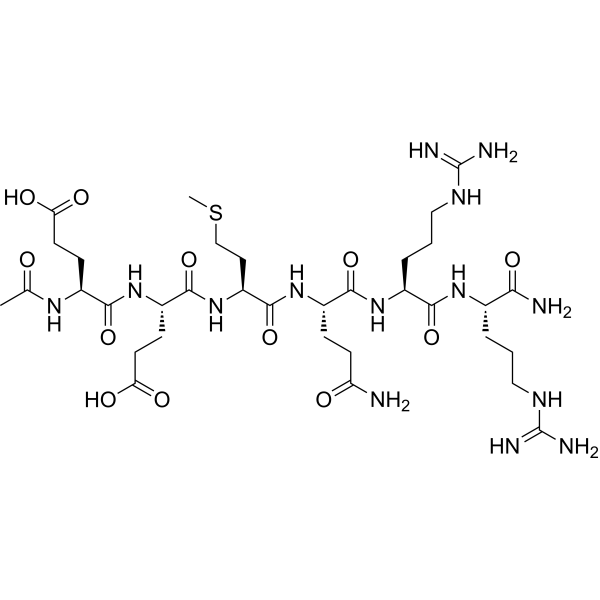 0 ImagesSynonyms: Acetyl hexapeptide-3; Acetyl hexapeptide-8Argireline (Acetyl hexapeptide-3) is a non-toxic, skin-permeable, antiwrinkle peptide. Argireline significantly inhibits Ca2+ dependent neurotransmitter release (acetylcholine) at the neuromuscular junction. Argireline has antiwrinkle and anti-aging activity.
-
Felodipine
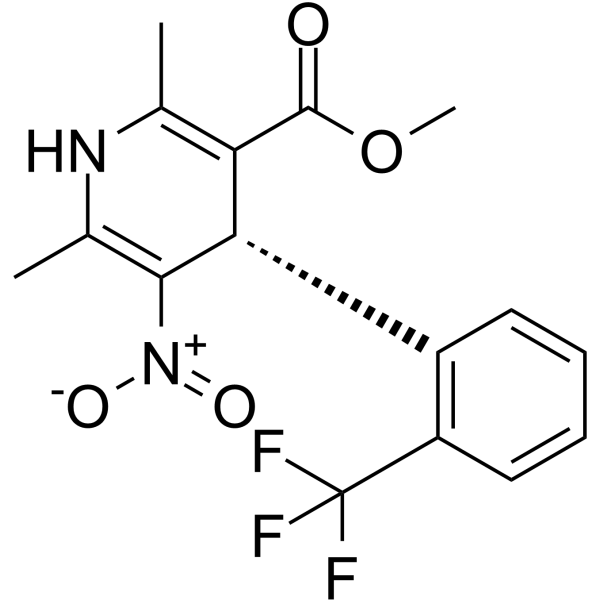
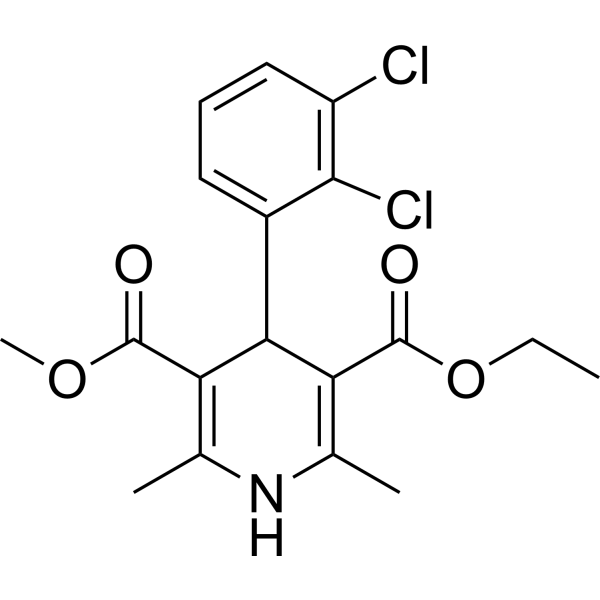 0 ImagesFelodipine, a dihydropyridine, is a potent, vasoselective calcium channel antagonist. Felodipine lowers blood pressure (BP) by selective action on vascular smooth muscle, especially in the resistance vessels. Felodipine, an anti-hypertensive agent, induces autophagy. Felodipine can cross the blood-brain barrier.
-
Carboxyatractyloside tripotassium
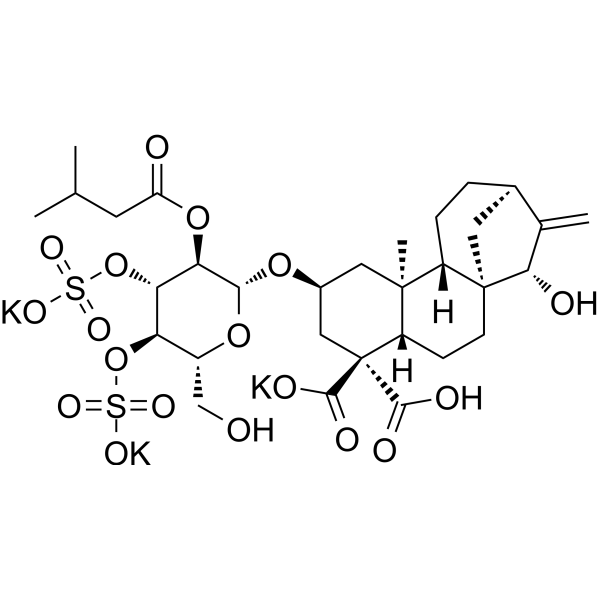 0 ImagesSynonyms: Gummiferin tripotassiumCarboxyatractyloside tripotassium is a diterpenoid. Carboxyatractyloside tripotassium can be isolated from plants of the genus Xanthium. Carboxyatractyloside tripotassium is an ADP/ATP carrier inhibitor, inhibiting mitochondrial ADP/ATP transport. Carboxyatractyloside tripotassium promotes ROS production, induces Ca2+ release, and leads to mitochondrial dysfunction. Carboxyatractyloside tripotassium induces lethargy, weakness, and epileptic seizures in rats.
-
Ranolazine
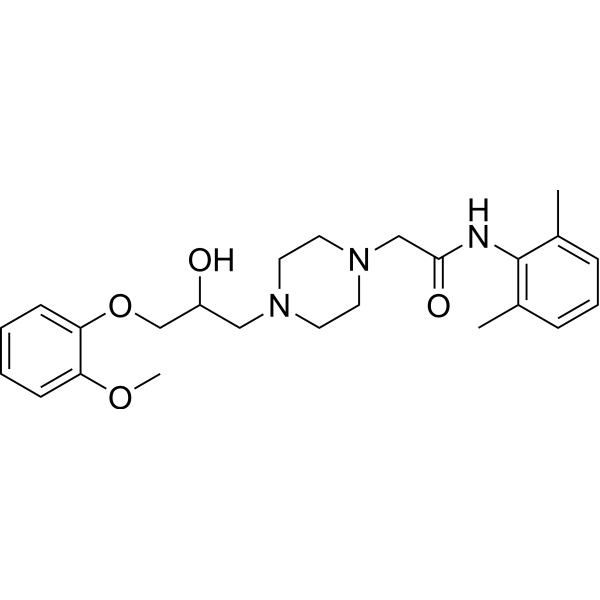 0 ImagesSynonyms: CVT 303; RS 43285-003Ranolazine (CVT 303) is an anti-angina drug that achieves its effects by inhibiting the late phase of inward sodium current (INa and IKr with IC50 values of 6 μM and 12 μM, respectively) without affecting heart rate or blood pressure (BP). Ranolazine is also a partial fatty acid oxidation (FAO) inhibitor. Antianginal agent.
-
Eloralintide sodium
 0 ImagesCat. No.: HY-P10798APurity: 99.92%Synonyms: LY-3841136 sodiumEloralintide sodium is an Amylin Receptor agonist. Eloralintide sodium selectively activates AMY1R and AMY3R in cells expressing human or rat AMY1R, AMY3R or CTR. Eloralintide sodium activates AMYRs and CTR in rats, inducing a sustained decrease in plasma Ca2+ levels. Eloralintide sodium reduces appetite and body weight in both lean and obese rats. Eloralintide sodium can be used for research related to obesity.
-
Taurolithocholic acid
 0 ImagesTaurolithocholic acid is an orally active bile acid and antiviral agent. Taurolithocholic acid upregulates FADS2 by activating the TGR5-PI3K/AKT-SREBP2 signaling axis, inhibits SFTSV-induced ferroptosis (Ferroptosis), viral replication and viral entry of HBV/HDV, while reducing the release of IL-1β, lipid ROS and LDH. While exerting antiviral protective effects, Taurolithocholic acid also stimulates the recycling of hepatocellular membrane transporters, impairs canalicular bile acid secretion function, and induces hepatocyte cholestasis, apoptosis and acute hepatocellular injury. Taurolithocholic acid serves as an experimental model compound for hepatocellular cholestasis. At concentrations ≤200 μM, Taurolithocholic acid shows no cytotoxicity and does not activate the interferon pathway. Taurolithocholic acid not only protects mice from lethal SFTSV infection but also is suitable for studies related to severe fever with thrombocytopenia syndrome and cholestasis.
-
TPC2-A1-N
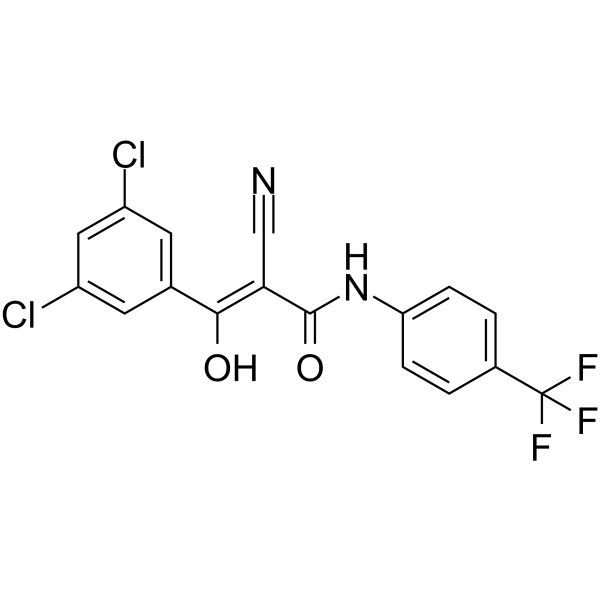 0 ImagesTPC2-A1-N is a powerful and Ca2+-permeable agonist of two pore channel 2 (TPC2), which plays its role by mimicking the physiological actions of NAADP. TPC2-A1-P reproducibly evokes significant Ca2+ responses from TPC2 (EC50=7.8 μM), and the effect can be blocked by several TPC blockers. TPC2-A1-N can be used to probe different functions of TPC2 channels in intact cells.
-
Hyperforin dicyclohexylammonium salt
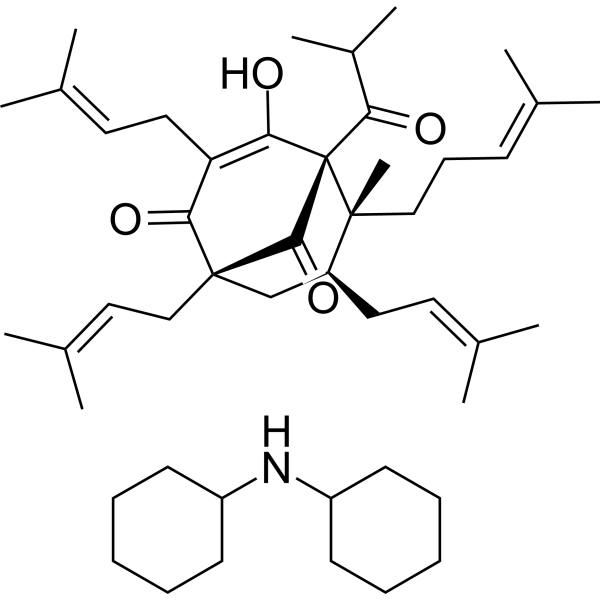 0 ImagesSynonyms: Hyperforin DCHAHyperforin dicyclohexylammonium salt (Hyperforin DCHA) is a transient receptor canonical 6 (TRPC6) channels activator. Hyperforin dicyclohexylammonium salt modulates Ca2+ levels by activating Ca2+-conducting non-selective canonical TRPC6 channels. Hyperforin dicyclohexylammonium salt also shows diverse pharmacological activities including anti-depression, anti-tumor, anti-dementia, anti-diabetes. Hyperforin dicyclohexylammonium salt modulates γδ T cells to secret IL-17α, improves Imiquimod (HY-B0180)-induced psoriasis-like mice model.
-
SG-094
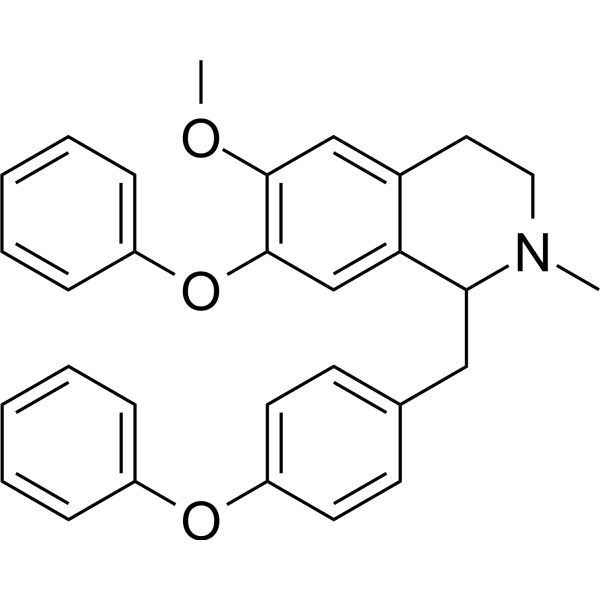 0 ImagesCat. No.: HY-148816CAS No.: 2922283-37-0SG-094 is a potent TPC2 inhibitor with antiproliferative effects. SG-094 can be used for the research of cancer.
-
Deltamethrin
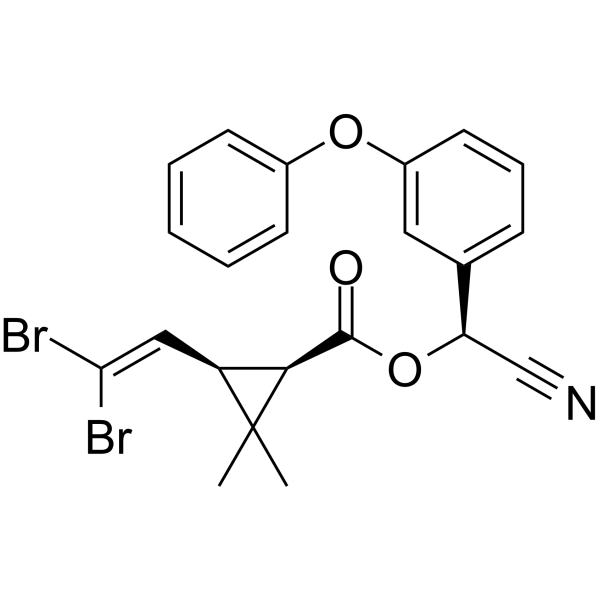 0 ImagesSynonyms: DecamethrinDeltamethrin (Decamethrin) is an orally active synthetic pyrethroid insecticide. Deltamethrin induces oxidative stress and results in inflammation and apoptosis via inhibiting Nrf2/HO-1 pathway. Deltamethrin has an anticancer effect by inducing apoptosis. Deltamethrin can be used extensively in pest control.
-
Magnesium chloride hexahydrate, for cell culture
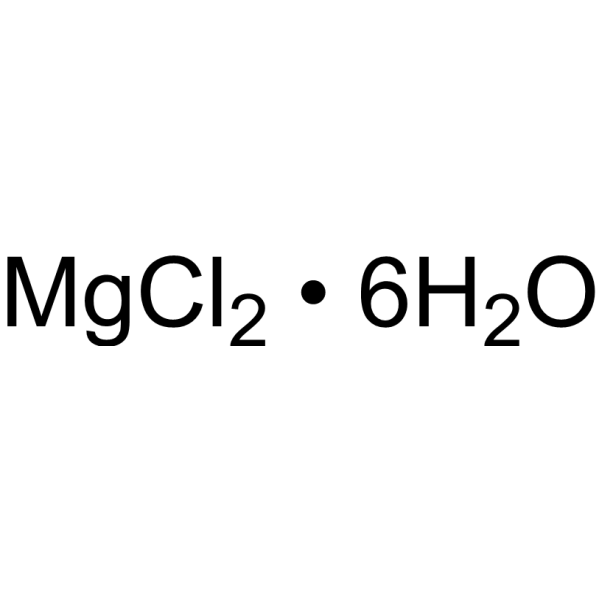 0 ImagesCat. No.: HY-W019981CCAS No.: 7791-18-6Synonyms: MgCl2 hexahydrate, for cell cultureMagnesium chloride hexahydrate (MgCl2 hexahydrate), for cell culture is the hexahydrate form of magnesium dichloride. Magnesium chloride hexahydrate, for cell culture can be used as a source of magnesium ion and a co-foactor for many enzymes. Magnesium chloride hexahydrate, for cell culture increases the activity of Ca2+ ATPase.
-
Ziconotide acetate
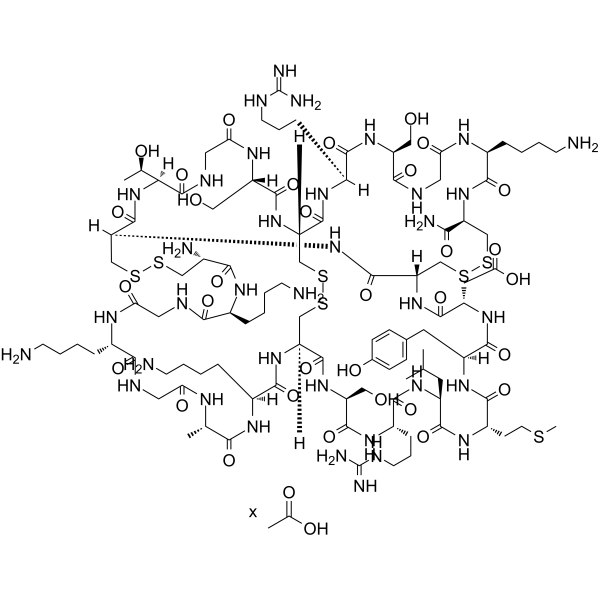 0 ImagesSynonyms: SNX-111 acetateZiconotide acetate (SNX-111 acetate), a peptide, is a potent and selective block of N-type calcium channels antagonist. Ziconotide acetate reduces synaptic transmission, and can be used for chronic pain research.
-
D-GsMTx4 TFA
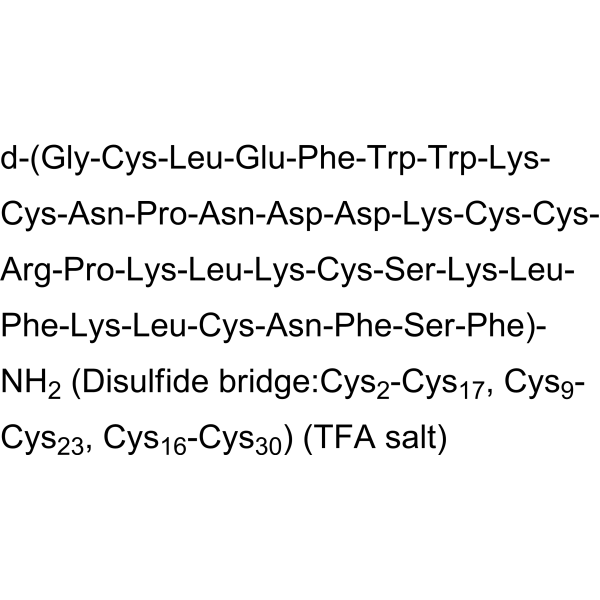 0 ImagesCat. No.: HY-P1410CPurity: 99.89%D-GsMTx4 TFA is a spider peptide and the D enantiomer of GsMTx4 (HY-P1410). D-GsMTx4 TFA inhibits the mechanosensitive ion channel Piezo2. D-GsMTx4 TFA inhibits [Ca2+]i elevation. D-GsMTx4 TFA inhibits mTOR and PI3K-Akt signaling pathways. D-GsMTx4 TFA inhibits mechanical allodynia and thermal hyperalgesia. D-GsMTx4 TFA can be used in researches of mechanical stress, chronic pain and idiopathic pulmonary fibrosis.
-
Paxilline
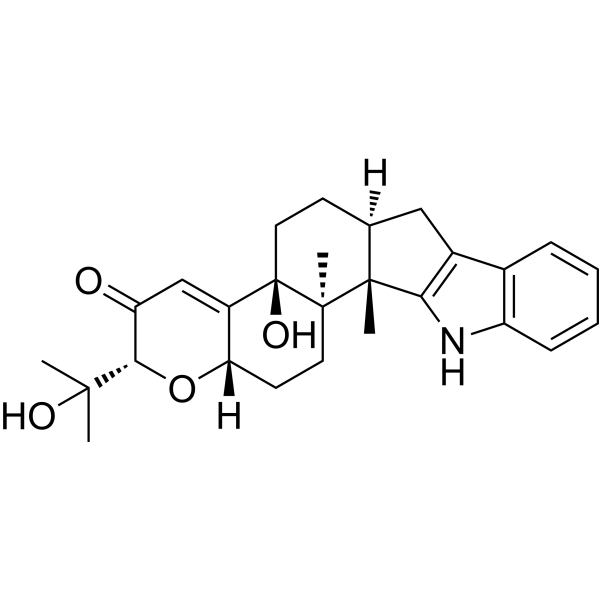 0 ImagesPaxilline is an indole alkaloid mycotoxin derived from Penicillium paxilli, which effectively inhibits the BK channel through a channel-blocking mechanism. Paxilline also inhibits sarco/endoplasmic reticulum Ca2+-stimulated ATPase (SERCA), with IC50 values ranging from 5 μM to 50 μM for different SERCA isoforms. Paxilline exhibits significant anticonvulsant and neuroprotective effects, as well as certain antioxidant activity.
-
Almorexant
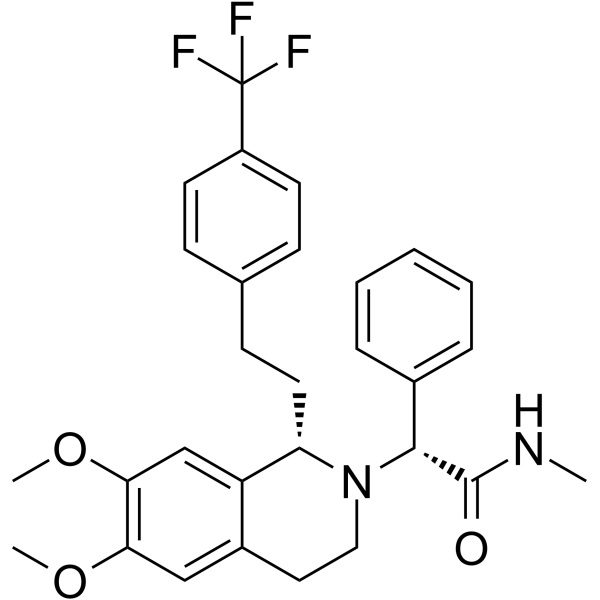 0 ImagesSynonyms: ACT 078573Almorexant (ACT 078573) is an orally active, potent and competitive dual orexin receptor antagonist, with Kd values of 1.3 nM (OX1) and 0.17 nM (OX2), respectively. Almorexant reversibly blocks signaling of orexin-A and orexin-B peptides. Almorexant totally blocked the intracellular Ca2+ signal pathway. Almorexant stimulates caspase-3 activity in AsPC-1 cells and induces apoptosis.




